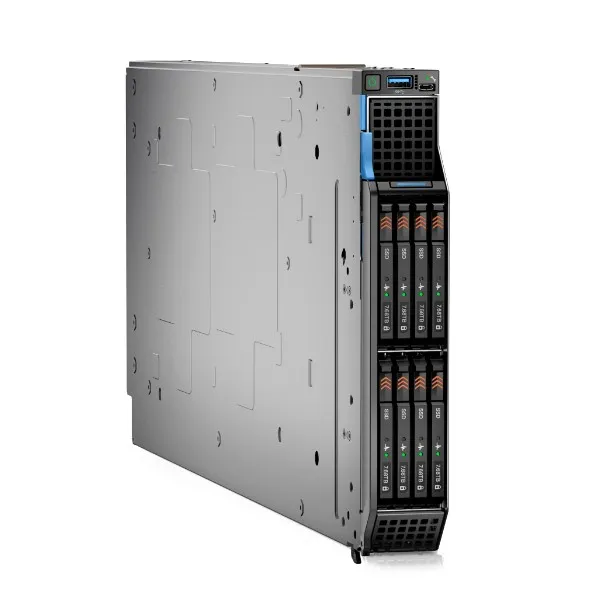
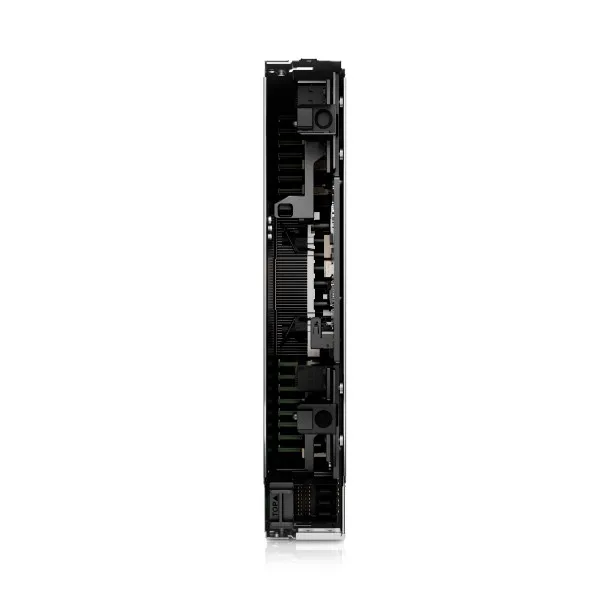
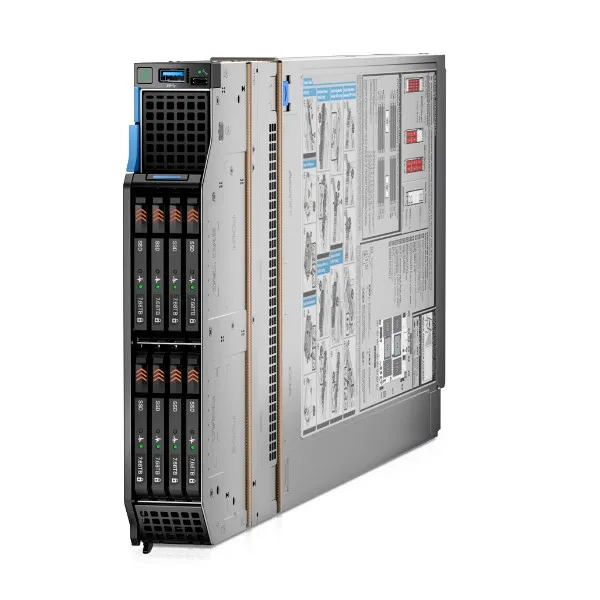
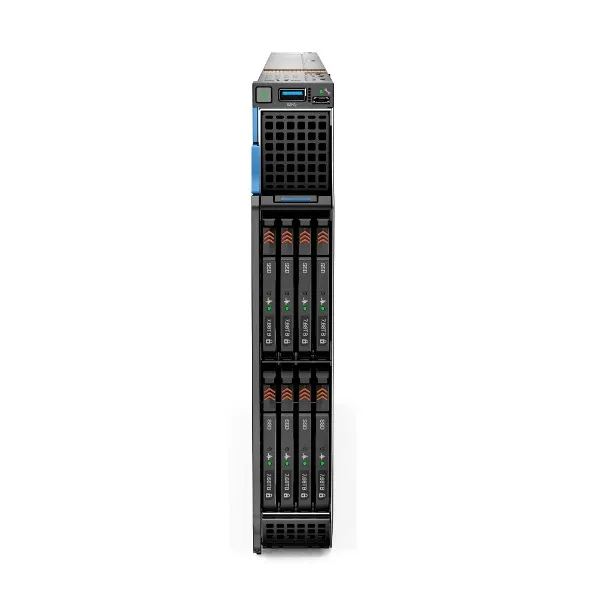
Dell PowerEdge MX760c Modular Compute Sled in Dubai, UAE
The Dell PowerEdge MX760c Modular Compute Sled is built for organisations that want dense, scalable, and centrally managed compute inside the Dell PowerEdge MX7000 modular platform. It is suitable for virtualisation, data analytics, business applications, private cloud, databases, software-defined infrastructure, and growing data centre environments where compute density, lifecycle control, and future expansion matter. FourTeck helps UAE business buyers review configuration options, compatibility requirements, delivery expectations, and warranty guidance before requesting a quote.
Request QuoteCheck UAE Availability
Quick Product Information
Product Overview
The Dell PowerEdge MX760c is a modular compute building block created for businesses that already operate, or plan to deploy, Dell PowerEdge MX infrastructure. Instead of installing separate rack servers for every new workload, organisations can add compute sleds into the MX7000 enclosure and manage compute, storage, networking, cooling, and lifecycle operations through a more unified infrastructure model. This approach is especially valuable for IT teams that need density, structured growth, consistent management, and easier service planning across multiple workloads.
For a UAE business, the decision to buy a modular compute sled is usually connected to more than processor speed. The buyer must check the existing chassis generation, fabric modules, mezzanine card requirements, power and cooling readiness, operating system compatibility, storage policy, and expected workload growth. A compute sled can be a strong choice when the business wants to consolidate servers, support virtual machines, run database workloads, host private cloud nodes, or standardise infrastructure across multiple departments. It is also useful for enterprises that prefer a modular platform because it can reduce physical rack sprawl and simplify infrastructure planning.
The MX760c supports modern compute requirements through flexible processor, memory, and storage combinations. Exact specifications depend on the selected configuration, which is why a buyer should not choose by model name alone. A lightly configured unit may suit development, test, or branch consolidation workloads, while a higher-end configuration may be needed for virtualisation clusters, analytics, large application stacks, and memory-heavy platforms. FourTeck helps business buyers review these details before purchase so the selected unit fits the real environment rather than only matching a generic specification sheet.
This product is most relevant for IT managers, procurement teams, data centre architects, managed service providers, and enterprise buyers who need a planned compute expansion path. FourTeck can support product selection, configuration matching, related product guidance, and quote preparation for Dubai and UAE projects where infrastructure reliability and long-term serviceability are important.
Key Business Benefits
A modular compute sled should deliver more than raw server performance. It should help the organisation deploy workloads with better control, improve infrastructure density, and create a predictable expansion path. The MX760c is designed for environments where compute power, manageability, and chassis-level integration are all part of the purchase decision.
Dense Compute Growth
The sled format helps businesses expand compute inside an MX7000 chassis without adding a separate rack server for every workload. This supports better rack planning and a cleaner data centre footprint.
Modern Workload Support
With configurable Intel Xeon Scalable processor options and DDR5 memory support, the platform can be sized for virtual machines, databases, analytics, application services, and private cloud nodes.
Flexible Storage Choices
Different drive cage options allow buyers to plan for local boot, high-speed NVMe storage, or application-specific local data needs while keeping the final layout configuration dependent.
Centralised Management
As part of the PowerEdge MX ecosystem, the sled supports a more consolidated infrastructure management approach, helping IT teams reduce repetitive manual server administration.
Scalable Platform Planning
Businesses can plan multiple compute nodes inside a modular enclosure, making it easier to design clusters, allocate resources, and standardise hardware across future expansion stages.
Serviceable Design
Modular service workflows can help enterprise teams replace, upgrade, or maintain compute resources more predictably when compared with scattered standalone hardware deployments.
Product Highlights
The MX760c is a 2-socket, single-width compute sled that fits the Dell PowerEdge MX7000 modular enclosure. Its design focuses on delivering high compute density while giving buyers a broad range of configuration paths. Depending on the chosen build, buyers can select processor class, memory capacity, local drive configuration, network fabric connectivity, and management options suitable for their infrastructure plan.
The most important purchase point is configuration accuracy. A buyer planning virtualisation may prioritise CPU core count, memory expansion, redundant fabric connectivity, and storage boot strategy. A buyer planning database workloads may need faster local NVMe options, larger memory, and careful application licensing review. A buyer extending an existing MX7000 chassis should also confirm chassis hardware version, fan requirements, fabric module compatibility, and available slots before ordering.
Technical Specifications
Buyers should treat the table above as a configuration framework rather than a single fixed build. Processor selection affects workload performance, licensing cost, power use, and memory planning. Memory selection affects virtual machine density, database response, and analytics performance. Storage selection affects boot design, application speed, redundancy planning, and service strategy. Networking options should be reviewed with the existing MX fabric so the sled connects correctly to the intended LAN, SAN, or converged infrastructure design. FourTeck can help buyers prepare a quote request with the necessary details so the proposed configuration is suitable for the real deployment environment.
Configuration and Buyer Guidance
Choosing a modular compute sled requires a structured review. A business buyer should start with workload type: virtualisation, database, application hosting, container platform, analytics, or private cloud. Each workload places different pressure on CPU cores, clock speed, memory capacity, local storage, and network throughput. A procurement request that only says the model name may not be enough for an accurate quote.
Workload Sizing
Define the number of virtual machines, application users, database size, or compute tasks expected during normal and peak usage.
Chassis Readiness
Confirm the MX7000 chassis, fan level, fabric modules, firmware readiness, and available compute slots before ordering.
Expansion Plan
Plan memory growth, storage growth, and future compute nodes so the initial purchase supports the next stages of the project.
Support Expectations
Review warranty guidance, service needs, installation expectations, and delivery location before finalising procurement.
When requesting a quote, buyers should share the existing chassis model, current fabric modules, required CPU class, preferred memory size, drive layout, operating system, virtualisation platform, redundancy expectations, and delivery location. These details help FourTeck recommend an option that reduces compatibility mistakes and supports long-term business use.
Ideal Business Use Cases
The Dell PowerEdge MX760c Modular Compute Sled suits buyers who need enterprise compute density inside a managed modular environment. It can support several workload types, but the final configuration should be sized carefully for each business use case.
Virtualisation Clusters
Ideal for organisations consolidating multiple workloads into virtual machines where memory expansion, processor density, and network connectivity must be planned together.
Database Platforms
Suitable for database environments when configured with the right processor, memory, local storage, and operating system support.
Private Cloud Nodes
Businesses building private cloud infrastructure can use modular compute nodes to standardise resources across a managed platform.
Enterprise Applications
ERP, CRM, middleware, file services, collaboration platforms, and line-of-business applications can benefit from planned compute sizing.
Analytics and Processing
Where data processing needs higher memory and CPU resources, the sled can be configured to support heavier analytical workloads.
Data Centre Standardisation
Enterprises can use common modular building blocks to simplify procurement, spares planning, lifecycle management, and infrastructure documentation.
Dell PowerEdge MX760c Workload Performance
Performance planning for this compute sled begins with understanding the workload. A high-core-count processor configuration may be useful for dense virtualisation or multi-tenant application platforms, while a different processor choice may be preferred for software licensing, clock speed, or application compatibility. Memory planning is equally important because virtual machines, databases, analytics engines, and in-memory services can become memory-limited before CPU capacity is fully used.
Buyers should also consider workload growth over several years. A lower initial specification may reduce the first purchase cost, but it may not support future consolidation or expansion. A higher memory ceiling, appropriate processor class, and carefully selected storage design can help avoid early replacement or unplanned upgrades. FourTeck can help translate workload requirements into a quote-ready configuration so IT and procurement teams can evaluate the right build.
Dell PowerEdge MX760c Modular Scalability
The value of a modular compute platform is not only in one sled. It is in the way multiple sleds, fabrics, storage choices, management tools, and chassis resources work together. The MX760c supports organisations that want to build a repeatable architecture. Once the chassis and network fabric are correctly planned, additional compute resources can be added in a more structured way than deploying disconnected standalone servers.
Scalability should be reviewed at chassis level. Buyers should check available slots, power budget, cooling readiness, fabric bandwidth, firmware baseline, and management policy. If the infrastructure will support virtualisation clusters, high availability, or private cloud, the business should also plan node count, redundancy, live migration requirements, shared storage connectivity, and backup design. FourTeck can assist with related product discussions such as storage, networking, rack power, UPS, and service requirements.
Dell PowerEdge MX760c Management and Serviceability
Enterprise infrastructure must be manageable after deployment. A compute sled inside a modular environment can support more consistent administration, because power, cooling, chassis resources, and management are planned through the MX ecosystem. This helps IT teams maintain a clearer view of the hardware platform, especially when multiple workloads are hosted across several compute nodes.
Serviceability also matters during upgrades and maintenance. Modular infrastructure can simplify physical handling, but buyers should still plan firmware updates, maintenance windows, spare strategy, warranty coverage, and change control. For business-critical workloads, FourTeck recommends reviewing the full environment before purchase, including operating system support, hypervisor compatibility, storage fabric, and backup design. The goal is to select a configuration that supports reliable day-to-day operation rather than only meeting a basic hardware requirement.
What Buyers Should Check Before Purchase
Before requesting a quote, buyers should confirm the required configuration, usage environment, compatibility needs, warranty expectations, and delivery location. A modular compute sled is not a standalone purchase in the same way as a tower or rack server. It must match the MX7000 chassis, fabric modules, thermal design, storage strategy, and management approach already used in the data centre. FourTeck can help review these details so the selected product matches the business requirement instead of choosing only by model name or initial price.
Configuration Fit
Confirm processor generation, core count, memory size, drive layout, RAID needs, operating system, and expected workload before requesting a final quote.
Compatibility Check
Review MX7000 chassis readiness, fabric modules, mezzanine card requirements, firmware level, power budget, and cooling requirements.
Availability and Warranty
Availability and warranty terms may vary by configuration, supplier source, service plan, and country support policy. FourTeck can guide the review.
Quote Preparation
Share workload type, existing chassis details, required delivery location, preferred support terms, and any related storage or network needs.
The right purchase decision also depends on long-term usage cost. Processor selection may affect software licensing. Memory choices may affect future upgrade cost. Storage layout may affect redundancy and performance. Networking choices may affect compatibility with the existing switching fabric. Buyers planning bulk supply or project deployment should also confirm lead time, staging needs, accessories, rails or enclosure requirements, and documentation needs before order approval.
UAE Availability and Service Support
FourTeck supports product inquiries across Dubai and the UAE with assistance for product selection, configuration review, quote requests, delivery coordination, and warranty guidance. Availability may vary based on selected configuration, supplier status, project quantity, service requirements, and delivery schedule. For a modular compute sled, availability is often linked to the exact processor, memory, drive, mezzanine, and chassis compatibility requirements rather than the base model name alone.
Business buyers can contact FourTeck with their existing MX7000 details or planned modular infrastructure requirement. The team can help prepare the right quote request, identify related components, and guide buyers on practical questions before purchase. This support is useful for IT teams, system integrators, data centre buyers, and procurement departments that need a clearer purchase scope.
Dubai, Abu Dhabi, Sharjah, and Ajman Coverage
Businesses in Dubai, Abu Dhabi, Sharjah, Ajman, and other UAE locations can contact FourTeck for product availability, configuration guidance, and quote assistance. The team can help buyers review suitable models, related options, and purchase requirements based on business needs. For infrastructure products such as modular compute sleds, the correct quote often depends on technical details such as chassis environment, workload type, network fabric, storage plan, delivery address, and warranty expectation.
FourTeck works with business buyers that need practical procurement support rather than generic product listing information. Whether the requirement is a single compute sled for an existing modular enclosure or multiple compute nodes for a larger IT refresh, sharing accurate technical details at the beginning helps reduce revision cycles and improves quote accuracy.
GCC and Africa Availability
FourTeck also supports business technology inquiries across selected GCC and Africa markets through its regional platforms and inquiry channels. Availability, delivery options, warranty handling, and configuration support may vary based on country, product type, and supplier status. Businesses in Saudi Arabia, Qatar, Oman, Kuwait, Bahrain, Kenya, Uganda, and other Africa region markets can use FourTeck channels to discuss enterprise technology requirements, project supply, and related product guidance where applicable.
Regional buyers should provide configuration details, quantity, delivery country, expected support level, and any required documentation when requesting assistance. For related regional support, buyers may also visit FourTeck UAE, FourTeck Kenya, FourTeck Uganda, FourTeck Africa, and FourTeck Kuwait.
Related Models for Business Requirements
Buyers evaluating the MX760c may also need related Dell infrastructure, rack servers, storage, networking, or services depending on the project scope. The options below help buyers move to adjacent solutions when the requirement is not limited to one compute sled.
Dell PowerEdge MX7000
Required modular enclosure platform for MX compute sled deployments and chassis-level planning.
Dell PowerEdge Rack Servers
Suitable for buyers who prefer standalone rack infrastructure instead of modular compute expansion.
Enterprise Storage Solutions
Useful for virtualisation, backup, database, and shared storage designs connected to compute infrastructure.
Data Centre Networking
Supports fabric planning, uplinks, switching, segmentation, and connectivity around modular server deployments.
UPS and Power Protection
Helps protect compute, storage, and network infrastructure from power interruption and unstable supply conditions.
FourTeck Product Assistance
Use this option when you need help deciding between modular, rack, storage, or network products.
Why Buyers Choose FourTeck
Enterprise buyers often need more than a product name and a quote. They need help checking whether the selected model fits their infrastructure, whether the configuration matches the workload, and whether the purchase includes the right related components. FourTeck supports IT procurement with business-focused product guidance, configuration review, quote assistance, UAE delivery coordination, and warranty guidance based on available options.
Guidance for servers, networking, storage, UPS, cybersecurity, and related infrastructure needs.
Support for processor, memory, storage, chassis, and networking choices before quotation.
Clearer quote preparation based on workload, quantity, delivery location, and support needs.
Support for UAE business buyers and selected regional technology inquiries.
FourTeck does not need to overstate availability or make unverified claims to help buyers. The value is in practical product matching, responsive inquiry handling, and better purchase clarity before a business commits to infrastructure hardware.
Frequently Asked Questions
It is used as a modular compute node inside the Dell PowerEdge MX7000 platform. Businesses can configure it for virtualisation, databases, private cloud, analytics, enterprise applications, and other workloads that need dense compute resources with centralised chassis-level infrastructure management.
No. The MX760c is designed for the Dell PowerEdge MX7000 modular enclosure. The chassis provides power, cooling, networking fabric, management integration, and physical housing. Buyers should confirm MX7000 compatibility before requesting a final quotation.
FourTeck can assist with availability checks and quote requests for Dubai and UAE buyers. Availability depends on selected configuration, supplier status, quantity, support requirements, and delivery schedule, so buyers should contact FourTeck with full requirements.
Yes. FourTeck can help review processor, memory, storage, networking, chassis readiness, workload type, and warranty expectations. This is especially useful for modular infrastructure because the final build must match the existing environment and future expansion plan.
Share the existing chassis model, workload type, processor preference, memory size, drive layout, mezzanine or fabric requirements, operating system, quantity, delivery location, and expected support terms. These details help prepare a more accurate quote.
Warranty and support terms may vary by supply source, product configuration, country, and selected service options. FourTeck can guide buyers on warranty expectations and help them review available support terms before purchase confirmation.
Suitable workloads include virtual machines, databases, application hosting, analytics, container platforms, private cloud nodes, and enterprise services. Suitability depends on sizing, processor selection, memory capacity, storage layout, and network fabric design.
Related products may include the MX7000 chassis, fabric modules, storage solutions, rack power, UPS systems, switching, backup hardware, and service support. The requirement depends on whether the buyer is expanding an existing platform or building a new modular environment.
Yes. Business buyers can contact FourTeck for quantity-based requirements, staged delivery discussions, configuration review, and related product matching. For project supply, it is helpful to share deployment timelines, delivery locations, and technical requirements early.
Need Help Choosing the Right Modular Compute Configuration?
FourTeck can help you review product availability, configuration options, warranty guidance, chassis compatibility, related infrastructure needs, and delivery requirements for your business location.