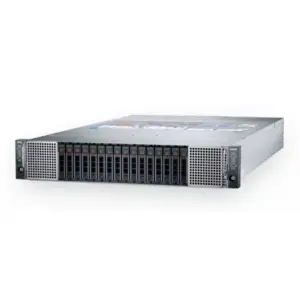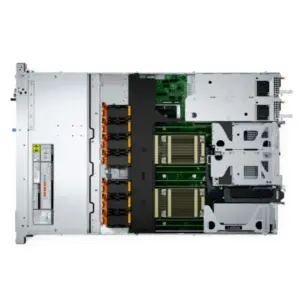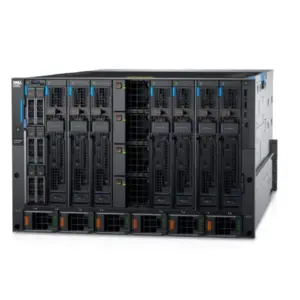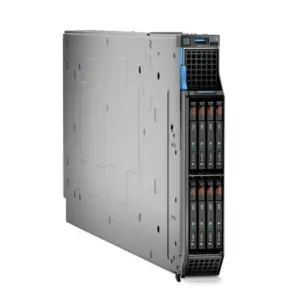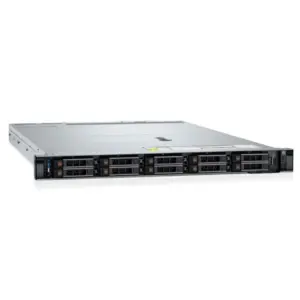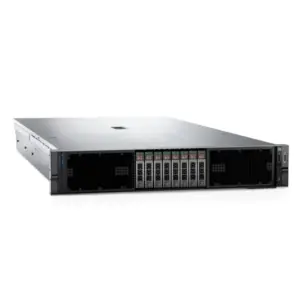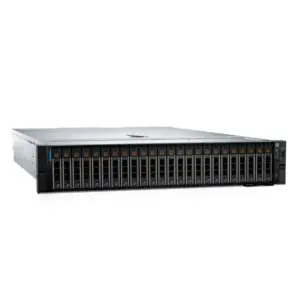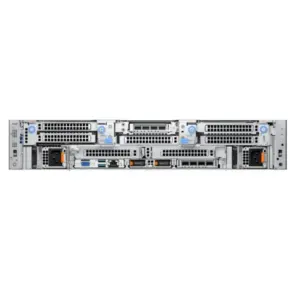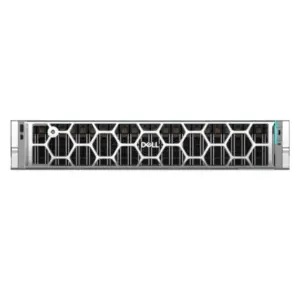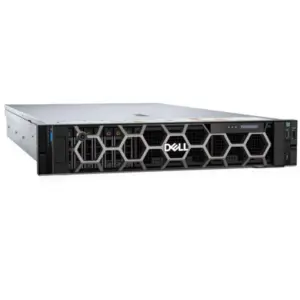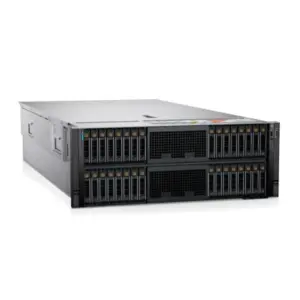
Dell Compute Nodes in Dubai, UAE
Dell Compute Nodes give businesses a compact way to expand server processing capacity for demanding, scale-out, and virtualized workloads. Built around Dell PowerEdge multi-node server platforms such as the C-series architecture, they are commonly selected when rack density, workload separation, power efficiency, and configuration flexibility matter more than a traditional single-server approach. FourTeck helps business buyers review Dell-based compute node options, compare processor and memory requirements, plan storage and networking, and request a suitable quote for projects in Dubai and across the UAE.
Quick Product Information
Dell Technologies
Dell PowerEdge compute node platforms
Enterprise compute node / server sled
Virtualization, cloud, hosting, analytics, HPC-style workloads
Configuration dependent
Selection, quotation, configuration review, delivery coordination
Based on selected model, source, and support option
Processor, memory, drives, RAID, NIC, power, and chassis choices vary
Product Overview
A compute node is a compact server building block used inside a multi-node chassis or dense data center platform. Instead of deploying one full rack server for every workload, businesses can place multiple independent server nodes inside a shared enclosure. This approach is useful when the requirement is to scale processing power, separate workloads, optimize rack space, and simplify capacity planning. Dell PowerEdge C-series platforms are widely used in environments where compute density and predictable infrastructure design are important.
For growing organizations, a compute-node design can help avoid the limitations of scattered standalone servers. Each node can be selected with processor, memory, storage, networking, and management options that match a particular workload. One node may be dedicated to virtualization hosts, another to web application services, another to analytics jobs, and another to development or container platforms. This makes Dell-based compute infrastructure practical for hosting providers, software companies, financial service teams, universities, research labs, enterprise IT departments, and managed service providers.
The main buyer advantage is density with control. A multi-node server platform can reduce the physical footprint required for compute expansion while maintaining separate server identities for operating systems, hypervisors, applications, and network roles. Depending on the selected Dell platform, buyers may consider Intel Xeon or AMD EPYC processor options, DDR5 memory, NVMe or SAS/SATA storage choices, OCP networking, remote management, redundant power, and air or liquid-cooling considerations. Final selection should always be reviewed against the workload, rack environment, power availability, cooling capacity, operating system compatibility, and long-term upgrade plan.
FourTeck assists UAE buyers by helping translate a business requirement into a workable server specification. Instead of choosing only by model name, the team can help buyers review node count, chassis compatibility, processor class, memory capacity, drive layout, RAID needs, network ports, power supply requirements, and warranty expectations. This is especially valuable for compute-node projects because the wrong chassis, wrong sled type, or missing network and storage options can affect the entire deployment.
Key Business Benefits
▣ Higher Compute Density
Dense node architecture helps businesses add more processing capacity within limited rack space. This is useful when the data center, server room, or colocation rack has strict space and power limits.
▣ Workload Separation
Each node can run a separate role, hypervisor, application stack, or cluster member. This gives IT teams clearer workload control than placing too many unrelated services on one oversized server.
▣ Scalable Expansion
A node-based design supports staged growth. Businesses can plan current capacity and then expand compute resources as users, virtual machines, applications, or data processing needs increase.
▣ Flexible Configuration
Processor, memory, storage, RAID, network, and management options can be selected according to the workload. This reduces the risk of paying for unnecessary capacity or deploying a system that is too small.
▣ Better Infrastructure Planning
Compute nodes support cleaner rack planning, cabling, power design, and lifecycle management, especially for businesses deploying multiple servers for cloud, virtualization, or application clusters.
▣ Enterprise Manageability
Dell PowerEdge server management features can help IT teams monitor, update, and manage hardware more efficiently, subject to selected model, iDRAC license, and management software choices.
Product Highlights
Dell Compute Nodes are suitable when a buyer needs server performance without expanding the rack footprint in the same way as multiple independent rack servers. Depending on the selected Dell PowerEdge platform, the solution may support high-core processors, large DDR5 memory capacity, PCIe Gen5 expansion, NVMe storage, OCP network adapters, redundant power in the chassis, and integrated management tools. These technical strengths are valuable only when aligned with real workloads, so FourTeck focuses on matching the hardware to business use rather than presenting a single fixed build for every customer.
Useful for clusters, virtualization hosts, container platforms, cloud services, and distributed applications.
Processor, memory, drive, controller, and network options can be planned around the workload and budget.
Designed for server-room and rack environments where power, cooling, cabling, and monitoring must be considered.
FourTeck can guide buyers on model selection, sourcing options, warranty expectations, and related accessories.
Technical Specifications Table
When choosing a compute node, buyers should avoid looking at only processor count or memory capacity. The correct configuration depends on workload behavior, virtualization density, storage traffic, network throughput, rack power, cooling, and service expectations. For example, a node for virtualization may need balanced cores, memory, and network redundancy, while a high IOPS database workload may require NVMe storage and a careful RAID or controller plan. A hosting provider may value high node density and simple repeatable builds, while a research workload may need high-core CPUs and fast memory. FourTeck can help review these details before quotation.
Configuration and Buyer Guidance
The right compute-node purchase begins with a clear understanding of the workload. Buyers should confirm whether the system will run virtual machines, container clusters, web services, databases, analytics tools, backup indexing, rendering, software testing, private cloud services, or remote application platforms. Each workload places different pressure on CPU cores, memory channels, storage latency, network bandwidth, and availability design.
Workload Size
Estimate users, virtual machines, containers, transactions, storage traffic, and peak business hours before selecting CPU and memory.
Growth Plan
Plan for future node expansion, spare memory slots, chassis capacity, power headroom, and data center cooling limits.
Storage Choice
Choose NVMe, SAS, SATA, or shared storage based on performance, resilience, capacity, and application requirements.
Network Design
Check LAN, storage, management, backup, and clustering traffic so the selected NICs match real throughput needs.
FourTeck recommends sharing the existing rack details, preferred operating system, hypervisor, application type, expected number of nodes, power environment, storage policy, backup plan, and required warranty level before requesting a quote. This helps reduce configuration errors and keeps the final proposal practical for business deployment.
Ideal Business Use Cases
Virtualization Clusters
Compute nodes are useful for VMware, Hyper-V, KVM, and private cloud environments where multiple hosts are required for workload balancing, migration, and capacity planning.
Hosting and Web Platforms
Service providers can use dense nodes to separate customer workloads, application services, control panels, staging systems, and production environments.
Analytics and Data Processing
High-core processors and large memory options can support batch processing, reporting engines, log analytics, and research workloads when configured correctly.
Software Development Labs
DevOps and testing teams can deploy repeatable compute pools for CI/CD, container testing, application simulation, and internal platform engineering.
Branch or Regional Infrastructure
Organizations consolidating several workloads in a small server-room footprint can use dense compute design to support applications, files, domain services, and backups.
Research and Engineering
Engineering, simulation, and research teams may benefit from scalable compute nodes when their workload is parallel, processor-heavy, or memory-sensitive.
Dell Compute Nodes Performance and Workload Handling
Performance planning for dense compute infrastructure is different from selecting a single tower or rack server. A buyer must understand how many workloads will run per node, how many cores each application can effectively use, how much memory is needed per virtual machine, and whether the workload is sensitive to storage latency. A high-core processor may look attractive, but it must be matched with enough memory bandwidth, suitable storage, and sufficient network throughput. Otherwise, the server can become unbalanced.
Dell-based compute nodes are often chosen because they can provide strong processing density in a controlled rack footprint. This is valuable for virtual desktop infrastructure, hosting platforms, cloud services, analytics engines, and technical computing jobs. In these environments, performance is not only about peak processor speed. It is also about predictable behavior under sustained load, thermal planning, power delivery, firmware stability, and manageable hardware lifecycle.
FourTeck helps buyers review workload details before quoting. For virtualization, the discussion may include virtual machine count, memory allocation, hypervisor compatibility, storage datastore design, and high-availability requirements. For analytics or development workloads, the discussion may focus on CPU class, memory size, NVMe options, and expected future growth. This practical review helps businesses choose a configuration that fits real operation instead of selecting a server node from a generic specification list.
Dell Compute Nodes Scalability and Future Expansion
Scalability is one of the main reasons businesses consider a node-based server approach. When infrastructure is expected to grow, the ability to add compute capacity in a consistent design can make operations easier. A multi-node platform can help teams deploy similar builds for multiple workloads, maintain cleaner documentation, and simplify spare parts planning. It can also support more predictable rack usage when compared with adding separate servers at different times.
Expansion planning should include more than the number of nodes. Buyers should check chassis compatibility, available node bays, supported processors, memory slot capacity, drive backplane options, RAID or storage controller choices, OCP networking, PCIe expansion, and power supply configuration. Rack depth, airflow direction, cooling capacity, and power distribution units must also be reviewed. In a dense server platform, a small planning mistake can affect several nodes at once.
FourTeck can help businesses map current requirements against future expansion expectations. For example, a company may begin with a smaller number of nodes and later add capacity for more virtual machines, container workloads, or customer hosting environments. Another organization may need identical builds for clustered services. By reviewing these plans before purchase, buyers can select a more practical configuration and avoid compatibility problems during future upgrades.
Dell Compute Nodes Management, Security, and Serviceability
Enterprise server management is important when the infrastructure contains several nodes. IT teams need visibility into hardware health, firmware status, power behavior, thermal events, drives, memory, processors, and network adapters. Dell PowerEdge platforms may support iDRAC and OpenManage tools depending on the selected model and license. These tools can help administrators monitor systems, plan updates, troubleshoot events, and improve lifecycle control.
Security and serviceability should also be discussed before purchase. Businesses should consider firmware update policies, access control, remote management network design, secure boot options, hardware root-of-trust features where supported, and operating system compatibility. For environments handling customer data, financial systems, research information, or critical applications, server management should be planned as part of the deployment, not added later as an afterthought.
FourTeck supports buyers by reviewing management requirements, remote access expectations, operating system support, warranty guidance, and related accessories. This helps ensure the compute node is not only powerful on paper but practical to operate over its full service life. A well-configured node should be manageable, documented, and aligned with the business support process.
What Buyers Should Check Before Purchase
Before requesting a quote, buyers should confirm the required workload, expected node count, processor class, memory capacity, drive type, RAID approach, operating system, virtualization platform, network throughput, rack environment, and warranty expectation. Compute-node projects require careful planning because the server node, enclosure, drive backplane, power supply, cabling, and management options must work together. Choosing by model name alone can lead to missing components, unsupported storage choices, wrong network adapters, or limited expansion later.
Configuration Fit
Share workload type, virtual machine count, memory requirement, storage pattern, and expected growth so the node is sized correctly.
Compatibility Check
Confirm chassis, drive backplane, RAID controller, operating system, hypervisor, NIC, rack, power, and cooling compatibility before approval.
Availability and Warranty
Availability and warranty terms can vary by source, model, configuration, service level, and project quantity. FourTeck can guide current options.
Quote Preparation
Prepare node count, preferred CPU, RAM, storage, networking, rails, power cords, warranty need, delivery location, and deployment timeline.
For replacement projects, buyers should also identify the existing server model, service tag where available, current application load, and any compatibility requirement with backup software, SAN storage, switches, firewalls, or monitoring platforms. For new projects, buyers should share project goals and expected expansion so FourTeck can recommend a practical option rather than a generic configuration.
UAE Availability and Service Support
FourTeck supports Dell server and compute-node inquiries across Dubai and the UAE with assistance for product selection, configuration review, quote requests, delivery coordination, and warranty guidance. Availability may vary based on exact model, selected processor, memory capacity, drive type, chassis requirement, supplier status, and order quantity. For project purchases, buyers should request current options before finalizing budgets or deployment dates.
The FourTeck team can help review whether a dense node platform is the right choice or whether a rack server, tower server, storage server, or alternative PowerEdge option better matches the requirement. This approach is useful for buyers who are upgrading from older servers, expanding virtualization clusters, setting up hosting infrastructure, or planning a new server room. Contact FourTeck with the workload details and required delivery location for current quotation support.
Contact FourTeck SalesDubai, Abu Dhabi, Sharjah, and Ajman Coverage
Businesses in Dubai, Abu Dhabi, Sharjah, Ajman, and other UAE locations can contact FourTeck for Dell server availability, compute-node configuration guidance, and quote assistance. The team can help buyers review suitable models, related server options, power and rack requirements, storage choices, network adapters, warranty expectations, and delivery coordination. This combined UAE support is useful for SMBs, enterprise IT teams, system integrators, cloud service providers, education institutions, healthcare organizations, retail groups, and project buyers who need practical infrastructure guidance before placing an order.
GCC and Africa Availability
FourTeck also supports business technology inquiries across selected GCC and Africa markets through its regional platforms and inquiry channels. Buyers in Saudi Arabia, Qatar, Oman, Kuwait, Bahrain, Kenya, Uganda, and the wider Africa region can request assistance for Dell server options, compute infrastructure planning, and related IT procurement requirements. Availability, delivery options, warranty handling, and configuration support may vary based on country, product type, supplier status, and project quantity.
Regional buyers can explore FourTeck platforms including FourTeck UAE, FourTeck Kenya, FourTeck Uganda, FourTeck Africa, and FourTeck Kuwait for inquiry support. For cross-border projects, buyers should share destination country, required quantity, configuration details, and warranty expectations early in the quotation process.
Other Options Buyers May Consider
Dense compute is not the only way to build server capacity. Some buyers may need a traditional rack server for simpler deployment, a tower server for branch offices, a storage server for backup capacity, or a GPU server for accelerated workloads. FourTeck can help compare suitable Dell server options and related infrastructure products according to workload, rack space, power, budget, and management requirements.
Dell PowerEdge Rack Servers
Suitable for general business applications, virtualization, databases, and enterprise workloads.
View server optionsDell Tower Servers
Useful for offices and branches that need reliable server capacity without a full rack environment.
Explore Dell server choicesEnterprise Storage Solutions
Consider dedicated storage when backup, file sharing, virtualization datastore, or archive capacity is the main need.
Explore compatible storageBusiness Networking
Switches, firewalls, and structured networking are important when deploying multiple compute nodes.
View networking productsUPS and Power Protection
Server nodes need stable power planning, UPS sizing, and protection for business continuity.
Review UPS optionsConfiguration Assistance
For custom builds, FourTeck can help review model choice, accessories, and quote requirements.
Contact FourTeckWhy Buyers Choose FourTeck
FourTeck works with business buyers who need more than a product name and a short specification. Server infrastructure decisions affect application performance, business continuity, data protection, power planning, and future expansion. A compute-node project can involve the node itself, chassis compatibility, storage design, operating system support, network adapters, rack accessories, warranty expectations, and deployment planning. FourTeck helps buyers organize these details before quotation.
The goal is to help buyers avoid unsuitable configurations, missing accessories, unclear support terms, and under-planned infrastructure. FourTeck can support SMB buyers, enterprise procurement teams, IT managers, consultants, and project contractors with practical product guidance and quotation support.
Frequently Asked Questions
They are used for dense server workloads such as virtualization, private cloud, hosting, analytics, application clusters, container platforms, and compute-heavy business systems. They help organizations add processing capacity while keeping rack footprint and infrastructure planning under control.
FourTeck supports inquiries for Dell-based compute node options in Dubai and across the UAE. Availability depends on exact model, configuration, source, quantity, and supplier status. Buyers should request a current quotation before confirming project timelines.
Yes. FourTeck can help review processor needs, memory sizing, storage type, RAID approach, network adapters, chassis compatibility, operating system requirements, warranty expectations, and related accessories before preparing a quote.
No. Specifications vary by Dell platform, generation, node type, selected processor, memory configuration, drive backplane, storage controller, networking, and management license. Always confirm the final build sheet before purchase.
It depends on the requirement. Compute nodes are suitable for dense, scalable, multi-node environments. A standard rack server may be better for simpler workloads, fewer systems, or environments that do not need a shared chassis design.
Share the intended workload, node count, preferred CPU, memory, storage, RAID, networking, operating system, rack environment, warranty expectation, delivery location, and any existing Dell server model you want to match or replace.
Yes. Businesses, system integrators, hosting providers, and project buyers can request quotation support for multiple nodes or related server infrastructure. Quantity, configuration, and delivery requirements should be shared clearly for accurate guidance.
Dense server platforms can place higher demand on rack power and cooling. Buyers should review rack depth, airflow, PDU capacity, UPS sizing, room cooling, and chassis power supply options before approving the final configuration.
FourTeck can assist with related Dell servers, storage, networking products, UPS systems, and accessories. This is useful when the compute nodes are part of a larger data center, virtualization, backup, or cloud project.
Need Help Choosing the Right Compute Node?
FourTeck can help you review current Dell server options, configuration requirements, warranty guidance, delivery coordination, and related infrastructure needs for your business location.
Request QuoteDell Compute Nodes
Dell Compute Nodes in Dubai, UAE
Dell Compute Nodes give businesses a compact way to expand server processing capacity for demanding, scale-out, and virtualized workloads. Built around Dell PowerEdge multi-node server platforms such as the C-series architecture, they are commonly selected when rack density, workload separation, power efficiency, and configuration flexibility matter more than a traditional single-server approach. FourTeck helps business buyers review Dell-based compute node options, compare processor and memory requirements, plan storage and networking, and request a suitable quote for projects in Dubai and across the UAE.
Dense Rack Planning
UAE Delivery Guidance
Warranty Guidance
Quote Assistance
Quick Product Information
Dell Technologies
Dell PowerEdge compute node platforms
Enterprise compute node / server sled
Virtualization, cloud, hosting, analytics, HPC-style workloads
Configuration dependent
Selection, quotation, configuration review, delivery coordination
Based on selected model, source, and support option
Processor, memory, drives, RAID, NIC, power, and chassis choices vary
Product Overview
A compute node is a compact server building block used inside a multi-node chassis or dense data center platform. Instead of deploying one full rack server for every workload, businesses can place multiple independent server nodes inside a shared enclosure. This approach is useful when the requirement is to scale processing power, separate workloads, optimize rack space, and simplify capacity planning. Dell PowerEdge C-series platforms are widely used in environments where compute density and predictable infrastructure design are important.
For growing organizations, a compute-node design can help avoid the limitations of scattered standalone servers. Each node can be selected with processor, memory, storage, networking, and management options that match a particular workload. One node may be dedicated to virtualization hosts, another to web application services, another to analytics jobs, and another to development or container platforms. This makes Dell-based compute infrastructure practical for hosting providers, software companies, financial service teams, universities, research labs, enterprise IT departments, and managed service providers.
The main buyer advantage is density with control. A multi-node server platform can reduce the physical footprint required for compute expansion while maintaining separate server identities for operating systems, hypervisors, applications, and network roles. Depending on the selected Dell platform, buyers may consider Intel Xeon or AMD EPYC processor options, DDR5 memory, NVMe or SAS/SATA storage choices, OCP networking, remote management, redundant power, and air or liquid-cooling considerations. Final selection should always be reviewed against the workload, rack environment, power availability, cooling capacity, operating system compatibility, and long-term upgrade plan.
FourTeck assists UAE buyers by helping translate a business requirement into a workable server specification. Instead of choosing only by model name, the team can help buyers review node count, chassis compatibility, processor class, memory capacity, drive layout, RAID needs, network ports, power supply requirements, and warranty expectations. This is especially valuable for compute-node projects because the wrong chassis, wrong sled type, or missing network and storage options can affect the entire deployment.
Key Business Benefits
▣ Higher Compute Density
Dense node architecture helps businesses add more processing capacity within limited rack space. This is useful when the data center, server room, or colocation rack has strict space and power limits.
▣ Workload Separation
Each node can run a separate role, hypervisor, application stack, or cluster member. This gives IT teams clearer workload control than placing too many unrelated services on one oversized server.
▣ Scalable Expansion
A node-based design supports staged growth. Businesses can plan current capacity and then expand compute resources as users, virtual machines, applications, or data processing needs increase.
▣ Flexible Configuration
Processor, memory, storage, RAID, network, and management options can be selected according to the workload. This reduces the risk of paying for unnecessary capacity or deploying a system that is too small.
▣ Better Infrastructure Planning
Compute nodes support cleaner rack planning, cabling, power design, and lifecycle management, especially for businesses deploying multiple servers for cloud, virtualization, or application clusters.
▣ Enterprise Manageability
Dell PowerEdge server management features can help IT teams monitor, update, and manage hardware more efficiently, subject to selected model, iDRAC license, and management software choices.
Product Highlights
Dell Compute Nodes are suitable when a buyer needs server performance without expanding the rack footprint in the same way as multiple independent rack servers. Depending on the selected Dell PowerEdge platform, the solution may support high-core processors, large DDR5 memory capacity, PCIe Gen5 expansion, NVMe storage, OCP network adapters, redundant power in the chassis, and integrated management tools. These technical strengths are valuable only when aligned with real workloads, so FourTeck focuses on matching the hardware to business use rather than presenting a single fixed build for every customer.
Useful for clusters, virtualization hosts, container platforms, cloud services, and distributed applications.
Processor, memory, drive, controller, and network options can be planned around the workload and budget.
Designed for server-room and rack environments where power, cooling, cabling, and monitoring must be considered.
FourTeck can guide buyers on model selection, sourcing options, warranty expectations, and related accessories.
Technical Specifications Table
When choosing a compute node, buyers should avoid looking at only processor count or memory capacity. The correct configuration depends on workload behavior, virtualization density, storage traffic, network throughput, rack power, cooling, and service expectations. For example, a node for virtualization may need balanced cores, memory, and network redundancy, while a high IOPS database workload may require NVMe storage and a careful RAID or controller plan. A hosting provider may value high node density and simple repeatable builds, while a research workload may need high-core CPUs and fast memory. FourTeck can help review these details before quotation.
Configuration and Buyer Guidance
The right compute-node purchase begins with a clear understanding of the workload. Buyers should confirm whether the system will run virtual machines, container clusters, web services, databases, analytics tools, backup indexing, rendering, software testing, private cloud services, or remote application platforms. Each workload places different pressure on CPU cores, memory channels, storage latency, network bandwidth, and availability design.
Workload Size
Estimate users, virtual machines, containers, transactions, storage traffic, and peak business hours before selecting CPU and memory.
Growth Plan
Plan for future node expansion, spare memory slots, chassis capacity, power headroom, and data center cooling limits.
Storage Choice
Choose NVMe, SAS, SATA, or shared storage based on performance, resilience, capacity, and application requirements.
Network Design
Check LAN, storage, management, backup, and clustering traffic so the selected NICs match real throughput needs.
FourTeck recommends sharing the existing rack details, preferred operating system, hypervisor, application type, expected number of nodes, power environment, storage policy, backup plan, and required warranty level before requesting a quote. This helps reduce configuration errors and keeps the final proposal practical for business deployment.
Ideal Business Use Cases
Virtualization Clusters
Compute nodes are useful for VMware, Hyper-V, KVM, and private cloud environments where multiple hosts are required for workload balancing, migration, and capacity planning.
Hosting and Web Platforms
Service providers can use dense nodes to separate customer workloads, application services, control panels, staging systems, and production environments.
Analytics and Data Processing
High-core processors and large memory options can support batch processing, reporting engines, log analytics, and research workloads when configured correctly.
Software Development Labs
DevOps and testing teams can deploy repeatable compute pools for CI/CD, container testing, application simulation, and internal platform engineering.
Branch or Regional Infrastructure
Organizations consolidating several workloads in a small server-room footprint can use dense compute design to support applications, files, domain services, and backups.
Research and Engineering
Engineering, simulation, and research teams may benefit from scalable compute nodes when their workload is parallel, processor-heavy, or memory-sensitive.
Dell Compute Nodes Performance and Workload Handling
Performance planning for dense compute infrastructure is different from selecting a single tower or rack server. A buyer must understand how many workloads will run per node, how many cores each application can effectively use, how much memory is needed per virtual machine, and whether the workload is sensitive to storage latency. A high-core processor may look attractive, but it must be matched with enough memory bandwidth, suitable storage, and sufficient network throughput. Otherwise, the server can become unbalanced.
Dell-based compute nodes are often chosen because they can provide strong processing density in a controlled rack footprint. This is valuable for virtual desktop infrastructure, hosting platforms, cloud services, analytics engines, and technical computing jobs. In these environments, performance is not only about peak processor speed. It is also about predictable behavior under sustained load, thermal planning, power delivery, firmware stability, and manageable hardware lifecycle.
FourTeck helps buyers review workload details before quoting. For virtualization, the discussion may include virtual machine count, memory allocation, hypervisor compatibility, storage datastore design, and high-availability requirements. For analytics or development workloads, the discussion may focus on CPU class, memory size, NVMe options, and expected future growth. This practical review helps businesses choose a configuration that fits real operation instead of selecting a server node from a generic specification list.
Dell Compute Nodes Scalability and Future Expansion
Scalability is one of the main reasons businesses consider a node-based server approach. When infrastructure is expected to grow, the ability to add compute capacity in a consistent design can make operations easier. A multi-node platform can help teams deploy similar builds for multiple workloads, maintain cleaner documentation, and simplify spare parts planning. It can also support more predictable rack usage when compared with adding separate servers at different times.
Expansion planning should include more than the number of nodes. Buyers should check chassis compatibility, available node bays, supported processors, memory slot capacity, drive backplane options, RAID or storage controller choices, OCP networking, PCIe expansion, and power supply configuration. Rack depth, airflow direction, cooling capacity, and power distribution units must also be reviewed. In a dense server platform, a small planning mistake can affect several nodes at once.
FourTeck can help businesses map current requirements against future expansion expectations. For example, a company may begin with a smaller number of nodes and later add capacity for more virtual machines, container workloads, or customer hosting environments. Another organization may need identical builds for clustered services. By reviewing these plans before purchase, buyers can select a more practical configuration and avoid compatibility problems during future upgrades.
Dell Compute Nodes Management, Security, and Serviceability
Enterprise server management is important when the infrastructure contains several nodes. IT teams need visibility into hardware health, firmware status, power behavior, thermal events, drives, memory, processors, and network adapters. Dell PowerEdge platforms may support iDRAC and OpenManage tools depending on the selected model and license. These tools can help administrators monitor systems, plan updates, troubleshoot events, and improve lifecycle control.
Security and serviceability should also be discussed before purchase. Businesses should consider firmware update policies, access control, remote management network design, secure boot options, hardware root-of-trust features where supported, and operating system compatibility. For environments handling customer data, financial systems, research information, or critical applications, server management should be planned as part of the deployment, not added later as an afterthought.
FourTeck supports buyers by reviewing management requirements, remote access expectations, operating system support, warranty guidance, and related accessories. This helps ensure the compute node is not only powerful on paper but practical to operate over its full service life. A well-configured node should be manageable, documented, and aligned with the business support process.
What Buyers Should Check Before Purchase
Before requesting a quote, buyers should confirm the required workload, expected node count, processor class, memory capacity, drive type, RAID approach, operating system, virtualization platform, network throughput, rack environment, and warranty expectation. Compute-node projects require careful planning because the server node, enclosure, drive backplane, power supply, cabling, and management options must work together. Choosing by model name alone can lead to missing components, unsupported storage choices, wrong network adapters, or limited expansion later.
Configuration Fit
Share workload type, virtual machine count, memory requirement, storage pattern, and expected growth so the node is sized correctly.
Compatibility Check
Confirm chassis, drive backplane, RAID controller, operating system, hypervisor, NIC, rack, power, and cooling compatibility before approval.
Availability and Warranty
Availability and warranty terms can vary by source, model, configuration, service level, and project quantity. FourTeck can guide current options.
Quote Preparation
Prepare node count, preferred CPU, RAM, storage, networking, rails, power cords, warranty need, delivery location, and deployment timeline.
For replacement projects, buyers should also identify the existing server model, service tag where available, current application load, and any compatibility requirement with backup software, SAN storage, switches, firewalls, or monitoring platforms. For new projects, buyers should share project goals and expected expansion so FourTeck can recommend a practical option rather than a generic configuration.
UAE Availability and Service Support
FourTeck supports Dell server and compute-node inquiries across Dubai and the UAE with assistance for product selection, configuration review, quote requests, delivery coordination, and warranty guidance. Availability may vary based on exact model, selected processor, memory capacity, drive type, chassis requirement, supplier status, and order quantity. For project purchases, buyers should request current options before finalizing budgets or deployment dates.
The FourTeck team can help review whether a dense node platform is the right choice or whether a rack server, tower server, storage server, or alternative PowerEdge option better matches the requirement. This approach is useful for buyers who are upgrading from older servers, expanding virtualization clusters, setting up hosting infrastructure, or planning a new server room. Contact FourTeck with the workload details and required delivery location for current quotation support.
Dubai, Abu Dhabi, Sharjah, and Ajman Coverage
Businesses in Dubai, Abu Dhabi, Sharjah, Ajman, and other UAE locations can contact FourTeck for Dell server availability, compute-node configuration guidance, and quote assistance. The team can help buyers review suitable models, related server options, power and rack requirements, storage choices, network adapters, warranty expectations, and delivery coordination. This combined UAE support is useful for SMBs, enterprise IT teams, system integrators, cloud service providers, education institutions, healthcare organizations, retail groups, and project buyers who need practical infrastructure guidance before placing an order.
GCC and Africa Availability
FourTeck also supports business technology inquiries across selected GCC and Africa markets through its regional platforms and inquiry channels. Buyers in Saudi Arabia, Qatar, Oman, Kuwait, Bahrain, Kenya, Uganda, and the wider Africa region can request assistance for Dell server options, compute infrastructure planning, and related IT procurement requirements. Availability, delivery options, warranty handling, and configuration support may vary based on country, product type, supplier status, and project quantity.
Regional buyers can explore FourTeck platforms including FourTeck UAE, FourTeck Kenya, FourTeck Uganda, FourTeck Africa, and FourTeck Kuwait for inquiry support. For cross-border projects, buyers should share destination country, required quantity, configuration details, and warranty expectations early in the quotation process.
Other Options Buyers May Consider
Dense compute is not the only way to build server capacity. Some buyers may need a traditional rack server for simpler deployment, a tower server for branch offices, a storage server for backup capacity, or a GPU server for accelerated workloads. FourTeck can help compare suitable Dell server options and related infrastructure products according to workload, rack space, power, budget, and management requirements.
Dell PowerEdge Rack Servers
Suitable for general business applications, virtualization, databases, and enterprise workloads.
Dell Tower Servers
Useful for offices and branches that need reliable server capacity without a full rack environment.
Enterprise Storage Solutions
Consider dedicated storage when backup, file sharing, virtualization datastore, or archive capacity is the main need.
Business Networking
Switches, firewalls, and structured networking are important when deploying multiple compute nodes.
UPS and Power Protection
Server nodes need stable power planning, UPS sizing, and protection for business continuity.
Configuration Assistance
For custom builds, FourTeck can help review model choice, accessories, and quote requirements.
Why Buyers Choose FourTeck
FourTeck works with business buyers who need more than a product name and a short specification. Server infrastructure decisions affect application performance, business continuity, data protection, power planning, and future expansion. A compute-node project can involve the node itself, chassis compatibility, storage design, operating system support, network adapters, rack accessories, warranty expectations, and deployment planning. FourTeck helps buyers organize these details before quotation.
The goal is to help buyers avoid unsuitable configurations, missing accessories, unclear support terms, and under-planned infrastructure. FourTeck can support SMB buyers, enterprise procurement teams, IT managers, consultants, and project contractors with practical product guidance and quotation support.
Frequently Asked Questions
They are used for dense server workloads such as virtualization, private cloud, hosting, analytics, application clusters, container platforms, and compute-heavy business systems. They help organizations add processing capacity while keeping rack footprint and infrastructure planning under control.
FourTeck supports inquiries for Dell-based compute node options in Dubai and across the UAE. Availability depends on exact model, configuration, source, quantity, and supplier status. Buyers should request a current quotation before confirming project timelines.
Yes. FourTeck can help review processor needs, memory sizing, storage type, RAID approach, network adapters, chassis compatibility, operating system requirements, warranty expectations, and related accessories before preparing a quote.
No. Specifications vary by Dell platform, generation, node type, selected processor, memory configuration, drive backplane, storage controller, networking, and management license. Always confirm the final build sheet before purchase.
It depends on the requirement. Compute nodes are suitable for dense, scalable, multi-node environments. A standard rack server may be better for simpler workloads, fewer systems, or environments that do not need a shared chassis design.
Share the intended workload, node count, preferred CPU, memory, storage, RAID, networking, operating system, rack environment, warranty expectation, delivery location, and any existing Dell server model you want to match or replace.
Yes. Businesses, system integrators, hosting providers, and project buyers can request quotation support for multiple nodes or related server infrastructure. Quantity, configuration, and delivery requirements should be shared clearly for accurate guidance.
Dense server platforms can place higher demand on rack power and cooling. Buyers should review rack depth, airflow, PDU capacity, UPS sizing, room cooling, and chassis power supply options before approving the final configuration.
FourTeck can assist with related Dell servers, storage, networking products, UPS systems, and accessories. This is useful when the compute nodes are part of a larger data center, virtualization, backup, or cloud project.
Need Help Choosing the Right Compute Node?
FourTeck can help you review current Dell server options, configuration requirements, warranty guidance, delivery coordination, and related infrastructure needs for your business location.
Showing 1–12 of 27 results